Living in a Woodland cabin full time can sound like the best of both worlds: mountain views, more space, and a quieter daily rhythm. But year-round cabin living is not the same as using a property for weekends or holidays, especially in a rural part of Summit County. If you are thinking about making that move, it helps to understand what daily life really looks like so you can buy with confidence. Let’s dive in.
Why Woodland appeals to full-time buyers
Woodland offers a small-scale, rural setting that feels different from more built-up parts of the Wasatch Back. Summit County’s Woodland community profile listed 410 residents in 2022, and the area’s housing profile classified Woodland’s housing stock as 100% rural in the 2010 Census base. If you want a mountain setting with a quieter pace, that character is a big part of the draw.
There is also a long history of seasonal and part-time use in the area. In Summit County’s Woodland housing profile, 42.9% of vacant units were listed as seasonal, recreational, or occasional use in 2010. That matters because some cabins were originally designed, used, or maintained with part-time occupancy in mind, not the demands of everyday living through every season.
Year-round cabin living pros
Rural setting and mountain lifestyle
One of Woodland’s biggest advantages is the setting itself. You get the appeal of a rural mountain environment with scenic surroundings and a quieter feel than many suburban neighborhoods. For many buyers, that lifestyle is the whole point.
If you work remotely or simply want more separation from busy in-town patterns, Woodland can offer a strong sense of space. The tradeoff is that the same features that make it attractive can also make planning and property upkeep more important.
Small-community feel
Woodland’s size is part of its appeal. With a small population in an unincorporated area of Summit County, it tends to feel more low-key and less dense. Buyers who value privacy, elbow room, and a less urban environment often see that as a major plus.
Properties with long-term potential
For the right buyer, a Woodland cabin can be more than a getaway. A property with dependable access, verified utilities, and realistic maintenance needs can support full-time use and long-term ownership goals. That can be especially appealing if you want a mountain home that serves you now and remains useful over time.
Woodland cabin tradeoffs to know
Winter access takes planning
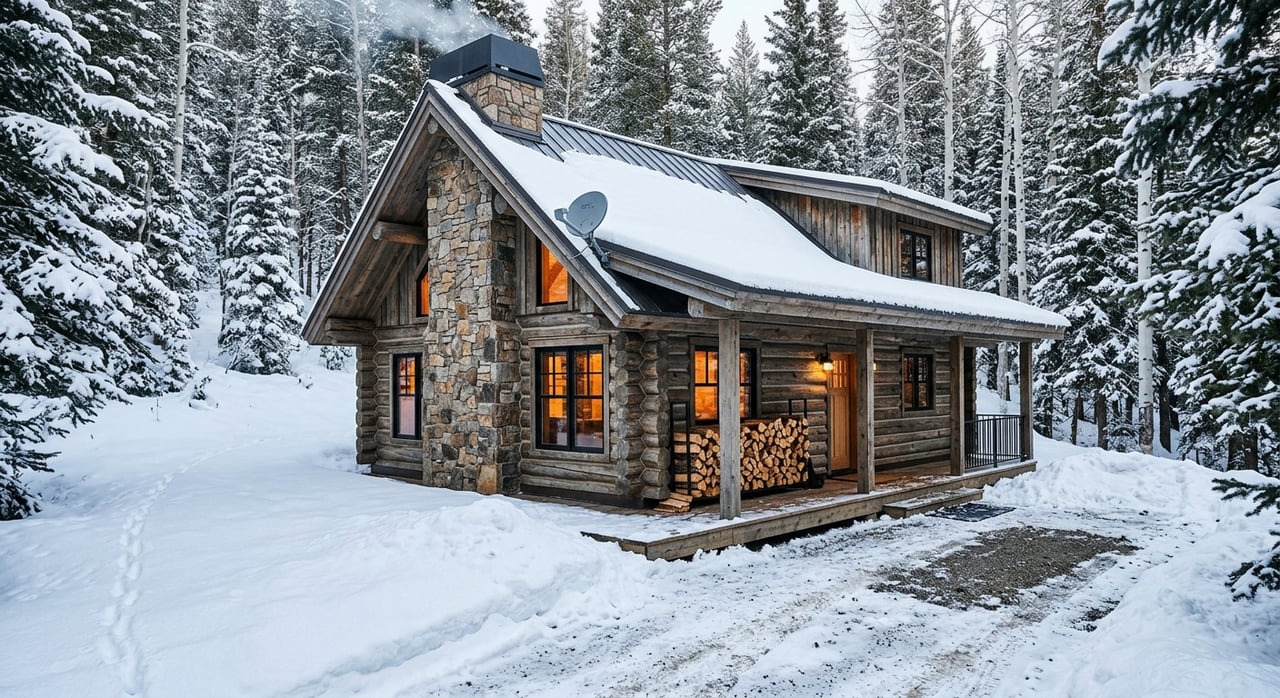
Winter is one of the biggest factors in year-round cabin living here. Summit County Public Works maintains designated county roads and includes snow removal among its core responsibilities, while UDOT clears state and federal routes. UDOT also notes that when roads are plowed, snow is pushed to the side, including across driveway accesses and sidewalks, and property owners are responsible for clearing those areas.
That means your daily access depends on more than whether the road near you gets plowed. You also need to think about your driveway, turnaround space, vehicle needs, and how quickly you can clear snow after a storm.
For Woodland specifically, SR-35 Wolf Creek Summit between Woodland and Hanna is listed by UDOT as a seasonal road that typically closes through winter, generally from November through May or June depending on weather. Summit County’s wildfire preparedness plan also notes that major roads are generally paved and plowed, but non-paved surfaces may not be accessible during winter storms. If a property depends on less improved access, winter practicality becomes a major due diligence issue.
Snow removal is a real part of daily life
Nearby NOAA climate normals for Kamas, at 6,481 feet, show 75.0 inches of annual snowfall. The same data shows 22.1 inches in January, 17.9 inches in February, and 17.8 inches in December. While that is not parcel-specific data for Woodland, it is a strong indicator of the kind of winter pattern buyers should expect in the area.
In simple terms, snow removal is not an occasional inconvenience. It is part of the ownership plan. Before you buy, you will want to think through who clears the driveway, how often, and what happens if a storm hits when you are away.
Utilities need close review
Water service can be local and system-specific
Water is one of the first things to verify on any Woodland cabin. Summit County Health says public water systems are regulated by the Utah Department of Environmental Quality, while the county approves and monitors smaller systems. That tells you right away that water service in rural areas can be more varied than buyers expect.
Woodland Mutual Water Company is listed by the Utah Division of Water Rights as a community public water supplier in Summit County. Its 2025 filing shows a reported population of 285 and identifies spring and well sources. For a buyer, the takeaway is practical: confirm the exact water source, service details, and any parcel-specific rules before you rely on assumptions.
Septic is not a box to check
Summit County Health runs the onsite wastewater program and evaluates soils, reviews permits, and checks septic installations. In a rural cabin setting, that matters because wastewater handling is a core livability issue, not just a technical formality.
If you are buying for full-time use, you should verify that the system is permitted and appropriate for the home’s intended occupancy. A cabin that worked fine for occasional use may deserve closer review if you plan to live there every day.
Internet should never be assumed
Many buyers now need dependable internet for work, streaming, home systems, or staying connected. Summit County says broadband access in some parts of the county is mixed and invites residents to submit an address-specific broadband request form. In other words, internet availability can vary enough that you should treat it as a property-specific question.
That is especially true in a rural area where neighboring properties may not have identical service options. If internet matters to your day-to-day life, confirm it early.
Trash service is available, but weather still matters
Woodland is on Summit County’s Friday curbside collection route. The county also warns that weather delays may interrupt pickup. That means trash service is available, but winter conditions can still affect normal routines.
For full-time cabin living, that is not a deal-breaker. It is simply one more reminder that mountain logistics can be a little less predictable than in more urban settings.
Wildlife and wildfire are part of ownership
Expect regular wildlife awareness
In Woodland’s setting, wildlife is part of everyday life. The Utah Division of Wildlife Resources advises residents not to feed deer or other wildlife because doing so can draw animals into neighborhoods, increase traffic conflicts, and contribute to disease transmission. DWR also says black bears can enter yards and should be given an escape route, and that moose can be dangerous when approached or cornered.
For you as a homeowner, that means simple habits matter. Securing trash, staying alert outdoors, and managing pets carefully are part of living responsibly in this type of environment.
Wildfire preparedness matters too
Summit County says forests play an important role in drinking water, wildlife habitat, recreation, and wildfire defense, while also noting that dense vegetation, climate change, and development pressure have increased wildfire risk in some areas. In Woodland’s unincorporated setting, burn permits are required beginning June 1, and the county asks residents to contact Dispatch before open burns between April 1 and November 30.
For full-time owners, wildfire preparedness is part of property upkeep. Maintaining defensible space and understanding seasonal burn rules are part of owning in a forested mountain area.
What makes a Woodland cabin work year round
The best candidates for full-time use usually check a few important boxes. Based on the county, utility, weather, and service information in the research, those basics include:
- Confirmed winter-maintained access
- A verified water source
- A permitted septic system
- Reliable internet availability
- A realistic snow-removal plan
- Day-to-day comfort with wildlife awareness and seasonal property upkeep
These are not luxury upgrades. In Woodland, they are the practical building blocks of year-round livability.
How to evaluate a cabin before you buy
If you are serious about full-time cabin living, focus on daily function as much as charm. A beautiful setting matters, but so do the systems and access points that support your routine in January, not just July.
As you compare properties, ask direct questions about road maintenance, driveway conditions, water service, septic permitting, internet availability, and winter readiness. In a market like Woodland, careful due diligence can help you avoid surprises and choose a property that fits the way you actually plan to live.
Woodland can be a great fit if you want a rural mountain home and you understand the tradeoffs that come with it. The buyers who tend to be happiest here are the ones who go in with clear expectations, a practical plan, and the right support before and after closing.
If you are weighing year-round cabin living in Woodland, Parker Properties, Inc. can help you evaluate access, property condition, and the practical details that matter in a rural mountain purchase.
FAQs
Is Woodland, Utah a good place for year-round cabin living?
- Woodland can work well for year-round cabin living if the property has confirmed winter access, verified utilities, and a realistic maintenance plan.
How much snow should Woodland cabin buyers expect?
- Nearby NOAA climate normals for Kamas show 75.0 inches of annual snowfall, which makes snow removal and winter driving important parts of full-time living in the area.
Do Woodland cabins always have reliable winter road access?
- Not always. Summit County maintains designated county roads, but access can vary by property, and non-paved surfaces may not be accessible during winter storms.
What utilities should you verify before buying a Woodland cabin?
- You should verify the water source, septic permitting, internet availability, and trash service expectations for the specific property.
Is internet service guaranteed in Woodland?
- No. Summit County says broadband access is mixed in some areas, so internet should be treated as an address-specific due diligence item.
What wildlife issues should Woodland homeowners expect?
- Woodland owners should expect routine wildlife awareness, including securing trash, avoiding feeding animals, and giving animals like bears and moose space if encountered.