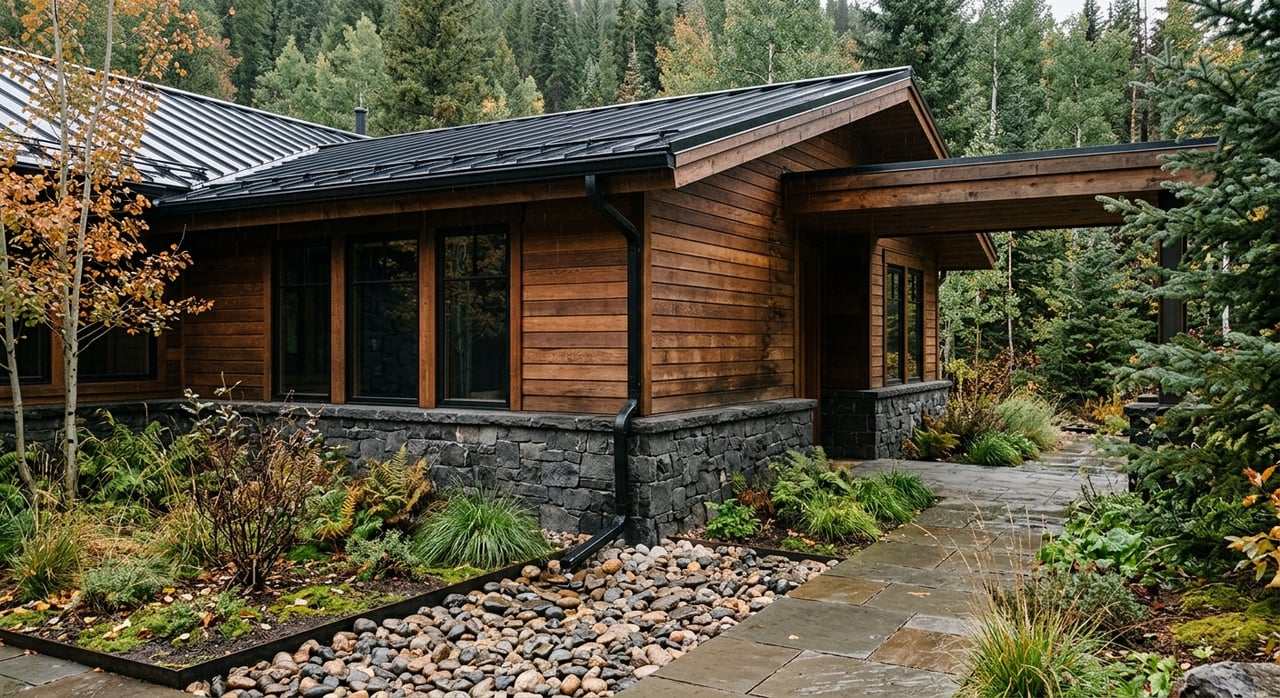
Buying a second home in Midway can feel like the perfect mountain-lifestyle move, but it also comes with decisions that are easy to underestimate. You may be picturing ski weekends, summer trails, and time away from the city, while also wondering how the home will function when you are not there. If you want to buy with confidence, it helps to understand Midway’s seasonality, rental rules, HOA limits, and ongoing maintenance needs before you close. Let’s dive in.
Midway is a true four-season market
Midway is often seen as a getaway destination, and the city highlights recreation and community events as part of its public identity. Skiing, trails, golf, cycling, shopping, Swiss Days, and the town-square ice rink all shape how many owners use homes throughout the year.
That matters because a second home here is not just a weekend cabin. It is a property that needs to perform in winter, summer, and during event-heavy seasons when your usage patterns may change.
Nearby climate data from NOAA’s Heber station shows why this matters. The area sees about 75.0 inches of annual snowfall and 15.07 inches of annual precipitation, with January average highs and lows of 36.5°F and 12.5°F, and July average highs and lows of 89.5°F and 49.6°F.
Start with your real use plan
Before you focus on finishes or views, think about how you will actually use the home. A second home that works well for a few holiday weekends may not be the right fit for longer summer stays, part-time living, or occasional rental use.
Ask yourself a few practical questions:
- Will you mostly visit on weekends?
- Do you want the home ready for longer seasonal stays?
- Will winter access be essential?
- Are major event weekends part of why you want to buy in Midway?
- Do you expect the property to help offset costs through rental income?
Your answers shape almost every other decision, from location and property type to budgeting and management needs.
Short-term rental rules can change the math
If you are considering rental income, Midway’s local rules deserve close attention. The city allows nightly rentals only within the Transient Rental Overlay District, also called the TROD.
Even inside the TROD, some properties need more than basic eligibility. Properties in the TROD that are outside the Resort or Commercial zones require a conditional use permit.
That means you should not assume a home can be used as a nightly rental just because it is in a desirable area or marketed as an investment opportunity. The property’s exact location and zoning status matter.
Midway requires more than just a listing
Midway’s current transient rental process is detailed. Each transient rental unit must have an active Midway City business license and a licensed property manager, and both must be renewed annually.
The city’s application also requires a Utah sales tax license, a Utah transient room tax account, and annual inspection sign-offs before a license is issued or renewed. If rental income is part of your plan, these are not minor details. They are part of the operating framework.
Occupancy, parking, and compliance matter
Midway’s current application limits occupancy to two people per designated bedroom plus two additional people, up to 14 total unless a conditional use permit is more restrictive. It also limits vehicles to garage capacity plus two and does not allow on-street parking for the unit.
The same application states that each property may have only one short-term rental unit. It also says owners and managers are jointly and severally liable for code violations.
There are also operating standards that can affect day-to-day use. Midway requires exterior manager contact signage, dark-sky lighting compliance, annual proof of transient room tax payment, and advertising that matches approved occupancy.
Taxes need to be part of your rental budget
Utah transient room tax applies to temporary lodging stays of fewer than 30 consecutive days. It is charged in addition to sales and use tax.
If you are building a rental-income model, include tax collection and remittance from the start. A property that looks strong on paper can feel very different once licensing, tax obligations, and management costs are added in.
HOA rules may be stricter than city rules
For many second-home buyers, HOA review is one of the most important parts of due diligence. In Midway, a property may qualify for nightly rental under city rules and still be restricted by the homeowners association.
That is why city approval should never be your only checkpoint. You need to verify both layers before you rely on a property’s rental potential.
Utah’s HOA guidance makes clear that assessments are a normal part of ownership. Dues may cover landscaping, snow removal, trash collection, shared amenities, insurance, and reserve funds.
Special assessments can also be levied for major repairs or emergencies. So the true carrying cost of a second home may extend well beyond your mortgage, insurance, and utilities.
What to review in HOA documents
Utah’s HOA homebuyer checklist says buyers should review the deed and CC&Rs carefully because private association rules vary widely by community. Sellers are also required to provide important association materials.
Those materials may include:
- Governing documents
- CC&Rs and rules
- Fee schedules
- Recent meeting minutes
- Budgets and financial statements
- Property management materials
- Short-term rental materials that affect the property
These documents can reveal rental restrictions, leasing rules, future expenses, and reserve issues that may affect whether the purchase still makes sense for your goals.
Remote ownership takes planning
A second home in Midway can be rewarding, but vacant periods create real responsibilities. If you live elsewhere for much of the year, you need a plan for winterization, repairs, and routine oversight.
This is especially important in a mountain climate. What seems manageable during a showing can become much more demanding when the home sits empty during freezing weather.
Winter plumbing protection is essential
USU Extension warns that unprotected waterlines exposed to freezing temperatures can crack or split. For owners leaving a property during winter, the guidance recommends shutting off the water, shutting down the water heater, draining the plumbing system, and keeping the furnace near 50°F if possible.
For a part-time residence, that is not just a nice precaution. It is a core ownership task that can help prevent expensive damage.
Irrigation systems also need seasonal care
USU also recommends winterizing sprinkler systems by shutting off the main water supply, setting the controller to off, and draining or blowing out the lines. That helps protect irrigation components from freezing.
In practical terms, landscaping and irrigation remain part of your ownership burden even when you are away. A second home still needs seasonal attention whether or not anyone is staying there.
Budget for the full cost of ownership
Many buyers focus on the purchase price and monthly payment first. That makes sense, but second-home ownership in Midway often includes a wider set of recurring and seasonal costs.
You may need to plan for:
- HOA dues
- Possible special assessments
- Winterization costs
- Snow removal
- Property management fees
- Maintenance and repairs
- Furnishings and setup costs
Closing costs should also stay on your radar. The research report notes that closing costs commonly run about 2% to 5% of the home price, and buyers should preserve additional cash for moving costs, furnishings, and early repairs.
A realistic budget helps you enjoy the property more because you are less likely to be surprised by the ongoing cost of keeping it ready, compliant, and protected.
Questions to answer before closing
Before you move forward on a second home in Midway, make sure you can clearly answer a few key questions. These answers can affect whether the property fits your lifestyle, budget, and long-term plans.
Property use questions
- Is the property inside Midway’s Transient Rental Overlay District?
- If it is inside the TROD, does it still require a conditional use permit?
- If rental income matters to you, are the licensing and tax requirements workable?
HOA and cost questions
- Do the CC&Rs allow nightly rentals, or are they more restrictive than city rules?
- What are the current HOA dues?
- Is there any sign of reserve risk or possible special assessments?
Management questions
- Who will winterize the plumbing before freezing weather?
- Who will handle snow removal and routine checks when you are away?
- If the home is rented, who will respond to guest issues or maintenance problems?
These are not side issues. They are the operating realities that shape whether a second home feels easy to own or stressful to manage.
Buying with a clearer strategy
The right second home in Midway can give you exactly what you want: a place to enjoy the Wasatch Back in every season while protecting your time, budget, and peace of mind. The key is to evaluate the property as a real four-season asset, not just a beautiful escape.
When you understand local rental rules, read HOA documents closely, and plan for remote ownership from day one, you put yourself in a much stronger position. If you want local guidance on buying and owning in Midway, Parker Properties, Inc. can help you make a practical, well-informed decision.
FAQs
What should you know about second-home weather conditions in Midway?
- Midway should be evaluated as a four-season location, with nearby NOAA climate data showing about 75.0 inches of annual snowfall, winter freezing temperatures, and warm summer conditions that affect maintenance and access.
Can you use any Midway second home as a short-term rental?
- No. Nightly rentals are allowed only within Midway’s Transient Rental Overlay District, and some properties in that district also need a conditional use permit.
Do Midway short-term rentals need a business license?
- Yes. Each transient rental unit needs an active Midway City business license, a licensed property manager, annual renewals, and other application requirements such as inspections and state tax accounts.
Can an HOA in Midway restrict rentals even if the city allows them?
- Yes. A property may meet city rental rules and still be limited by HOA CC&Rs, so you should review both city requirements and association documents before buying.
What ongoing costs should you budget for with a second home in Midway?
- Buyers should plan for costs beyond the mortgage, including HOA dues, possible special assessments, winterization, snow removal, management fees, repairs, furnishings, and closing costs.
How do you protect a vacant second home in Midway during winter?
- USU Extension recommends shutting off the water, shutting down the water heater, draining the plumbing system, keeping the furnace near 50°F if possible, and winterizing irrigation lines to help prevent freeze damage.