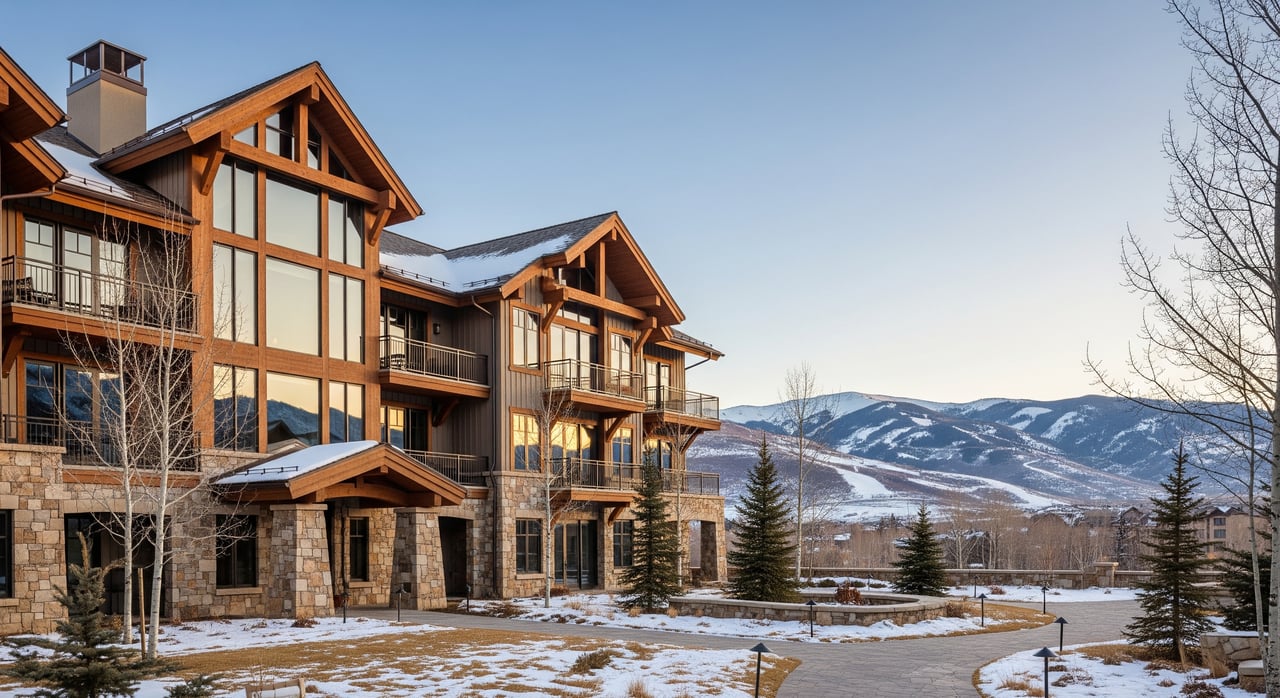
Buying a Park City condo should feel exciting, not uncertain. Yet many buyers worry about surprise HOA bills for roofs, boilers, or snow‑melt systems. You can lower that risk by learning to read HOA reserve studies and asking the right questions early. In this guide, you’ll learn how reserves work, how to interpret funding levels, what special assessments mean, and the Park City factors that can affect long‑term costs. Let’s dive in.
Understand reserve studies
A reserve study is a financial and physical analysis that maps out major common‑area components and their replacement timelines. It estimates remaining useful life and replacement costs for items like roofs, decks, paving, elevators, boilers, and pool or hot tub systems. The study then recommends a funding plan so the HOA can handle those capital projects without shortfalls.
Typical elements include:
- Inventory of components with what is included and excluded.
- Useful life, remaining useful life, and current replacement cost estimates.
- A recommended reserve balance at specific points in time.
- A funding plan with one or more scenarios for owner contributions.
- Assumptions and limitations like inflation rates, unit costs, and inspection scope.
Qualified reserve analysts, engineers, or specialized firms usually produce these studies. Best practice is a physical inspection every 1–5 years, with financial updates in between. When you review a study, check how recent it is and whether a physical site visit informed the findings.
Read key funding metrics
Start with two numbers: the current reserve balance and the recommended reserve balance. The first is what the HOA actually has in the bank for capital projects. The second is what the study says the HOA should have on hand at that point in time.
From there, calculate percent funded: current balance divided by recommended balance, then multiply by 100. Higher percent funded lowers the risk of special assessments, especially when major projects are near. Keep context in mind: a newer community can run lower reserves than an older building facing imminent roof, elevator, or exterior work.
Industry guidance uses these general ranges:
- Very low risk: approaching or above 100 percent funded.
- Moderate risk: roughly 50–80 percent, depending on upcoming projects.
- Elevated risk: below about 40 percent, with a higher chance of assessments or dues increases.
- High risk: below about 20 percent, where special assessments are more common.
Many studies also outline how the HOA plans to fund reserves:
- Component method: assigns dollars to each item’s schedule, which is very transparent but can cause dues swings.
- Cash‑flow method: pools needs over time and smooths owner contributions.
- Threshold or baseline: targets a minimum reserve balance and funds to maintain it.
Other helpful metrics include the annual recommended contribution per unit, a project schedule for major replacements, and the inflation and contingency assumptions. Review these inputs carefully. Overly optimistic useful lives or low inflation can understate future costs.
Example percent funded math
If a study recommends a $2,000,000 reserve balance and the HOA has $400,000 on hand:
- Percent funded = $400,000 ÷ $2,000,000 × 100 = 20 percent.
- At 20 percent, risk is high and the likelihood of special assessments or dues hikes rises, especially if big projects are coming due.
Park City factors to weigh
Park City’s climate and resort profile can shift reserve needs higher than in many markets. Heavy snowfall and freeze–thaw cycles increase wear on roofs, decks, exterior finishes, parking areas, and mechanical systems. Snow‑melt setups, heated garages, and de‑icing systems introduce large capital and operating costs that need robust reserves.
Resort condos often include hot tubs, heated pools, boilers, elevators, and guest amenities that age with use. Short‑term rentals and second‑home usage can raise turnover and wear on shared areas, which may accelerate replacement timelines. In some associations, absentee ownership can also reduce participation in reserve funding measures.
Local replacement costs trend higher in mountain areas due to labor, logistics, seasonal windows, and specialized contractors. Older buildings or those with less modern building envelopes may need earlier exterior work like siding, windows, or waterproofing. Insurance shifts or code‑driven upgrades can also force unplanned capital projects.
The takeaway for buyers: expect stronger per‑unit reserve needs than in many inland markets, and budget accordingly if your target building has snow‑melt, elevators, pools, or extensive amenities.
Spot red flags fast
Ask for documents early in your review period. At a minimum, request:
- The most recent reserve study with spreadsheets and assumptions.
- HOA balance sheet and income statements for the past 2–3 years.
- Current bank statements showing the reserve balance.
- The past 3 years of budgets and year‑end financials.
- Board and owner meeting minutes for the past 12–24 months.
- CC&Rs, bylaws, and rules to confirm assessment authority and voting thresholds.
- The current estoppel or resale certificate that discloses assessments.
- The insurance certificate and fidelity bond details.
- A list of upcoming projects and signed contracts.
As you review, watch for:
- Reserve studies older than 2–3 years or without a recent on‑site inspection.
- Low percent funded, such as below about 30–40 percent, paired with near‑term capital needs like roof or exterior replacements.
- A pattern of frequent or large special assessments.
- Operating deficits or using operating funds for capital items.
- Governing documents that allow large assessments with limited owner oversight.
- Visible deferred maintenance on site, such as deteriorated roofs, failing decks, damaged paving, or signs of water intrusion.
- High rental usage without a clear reserve policy for heavier wear.
Special assessments explained
A special assessment is a one‑time or limited‑term charge when reserves and operating funds cannot cover a cost. Triggers include reserve shortfalls, unexpected failures, emergency repairs, or code‑required upgrades. Sometimes boards use assessments for elective upgrades that owners support.
Assessments can take different forms:
- A single lump sum per unit.
- Installments spread over several periods.
- An assessment combined with a temporary or permanent dues increase.
These decisions are guided by CC&Rs, bylaws, and state law. Some boards can levy assessments directly, while others require an owner vote. For you, the key is how an assessment affects affordability and financing. Lenders may impose conditions or deny loans when an HOA faces serious reserve gaps or large pending assessments. Estoppel or resale certificates should disclose these items, so make sure you obtain and read them.
When you evaluate an assessment, ask:
- What is the purpose: deferred maintenance, code compliance, or a discretionary upgrade?
- What is the amount, timing, and whether there is an installment plan?
- Was the process handled correctly under the governing documents?
- Is this a one‑off event or part of a pattern of frequent assessments?
Protect your offer
You can lower risk with simple, proactive steps:
- Include a document review contingency that lists the reserve study, financials, meeting minutes, and estoppel certificate.
- Compare percent funded with the study’s recommended balance. If it is low and big projects are due, plan for higher dues or an assessment.
- Ask the seller to pay or escrow any announced assessments, or request a credit for a known upcoming charge.
- If reserves are materially short, negotiate a seller credit or require written clarification from the board about responsibility for any pending assessments.
- Engage your lender early and confirm whether the HOA’s reserve position or assessments could affect loan approval.
- Confirm short‑term rental rules if you plan to rent. This affects revenue and cash‑flow projections.
Quick walk‑through checklist
When touring the property or reviewing photos and disclosures, look for items that commonly drive big capital projects in Park City:
- Snow‑melt systems in drives, walkways, and entries. Ask about age and recent repairs.
- Boilers, hot tubs, pools, and elevators. Confirm maintenance history and replacement timelines.
- Decks, roofs, siding, and window systems. Look for signs of moisture or freeze–thaw damage.
- Parking surfaces and garages. Check for cracking, spalling, or drainage issues.
- Visible patchwork repairs or ongoing water intrusion that signal deferred maintenance.
How we can help
You deserve clear answers before you commit. Our team knows how reserves, amenities, and Park City’s climate interact to shape long‑term ownership costs. We help you request the right documents, compare percent funded with upcoming projects, and understand how an assessment could impact your budget or rental yield.
Because we combine brokerage with in‑house maintenance and renovation leadership, we can add practical cost context during due diligence. If a study calls for near‑term work on roofs, paving, or mechanical systems, we help you evaluate scope and timing so you can negotiate with confidence.
If you are considering a Park City condo as a second home or investment, connect with us to build a plan that fits your goals and risk tolerance.
Ready to move forward with clarity and confidence? Reach out to schedule a consultation with Parker Properties, Inc..
FAQs
What is an HOA reserve study for a condo purchase?
- It is a report that lists common‑area components, estimates their remaining life and replacement costs, and recommends a funding plan so the HOA can pay for capital repairs without surprise shortfalls.
How do I calculate percent funded in an HOA?
- Divide the HOA’s current reserve balance by the recommended balance from the study, then multiply by 100. Higher percentages generally mean lower assessment risk.
What percent funded is considered healthy for Park City?
- Context matters, but approaching or above 100 percent is low risk, roughly 50–80 percent is moderate depending on upcoming projects, and below about 40 percent raises the chance of assessments.
What Park City factors increase reserve needs?
- Heavy snow, freeze–thaw cycles, snow‑melt systems, elevators, hot tubs or pools, higher labor costs, and short‑term rental wear can all push reserves higher than in many markets.
How do special assessments affect buyers and loans?
- A pending or large assessment can change affordability and may trigger extra lender scrutiny. Review the estoppel or resale certificate and confirm loan guidelines early.
What documents should I request before removing contingencies?
- The latest reserve study, 2–3 years of financials, current reserve bank statements, budgets, meeting minutes, CC&Rs and bylaws, the estoppel certificate, insurance details, and a list of upcoming projects.