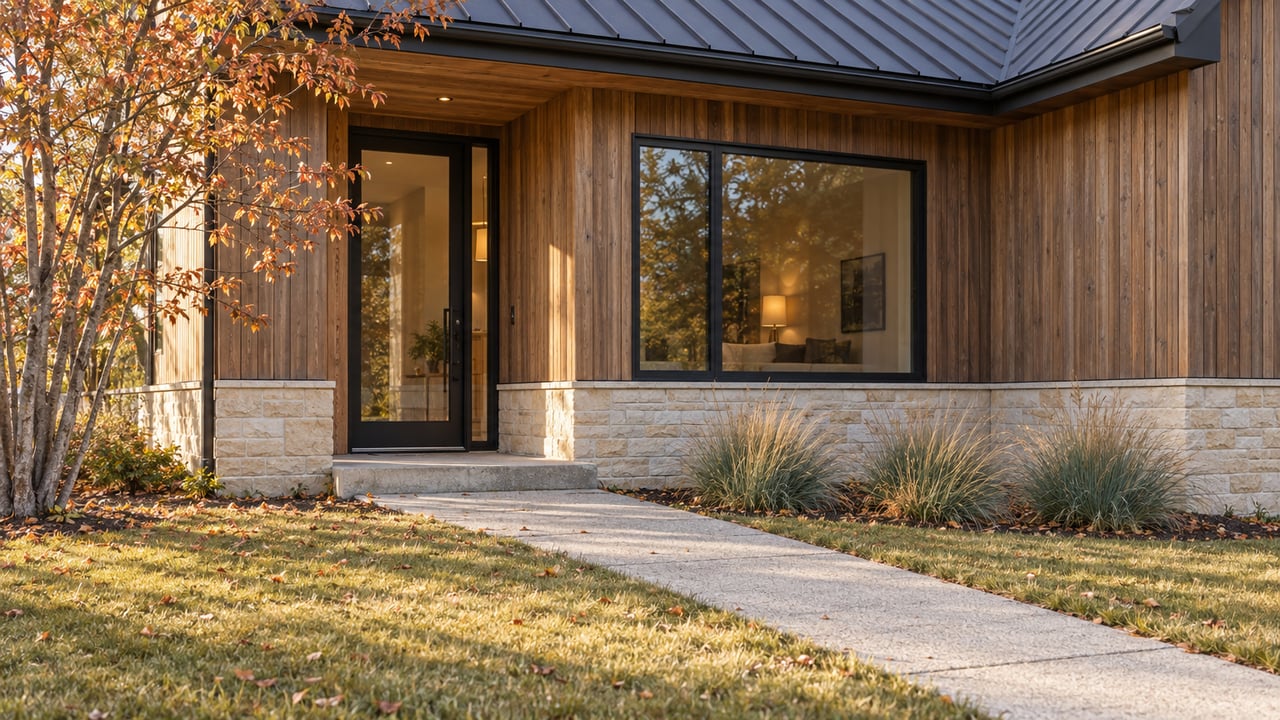
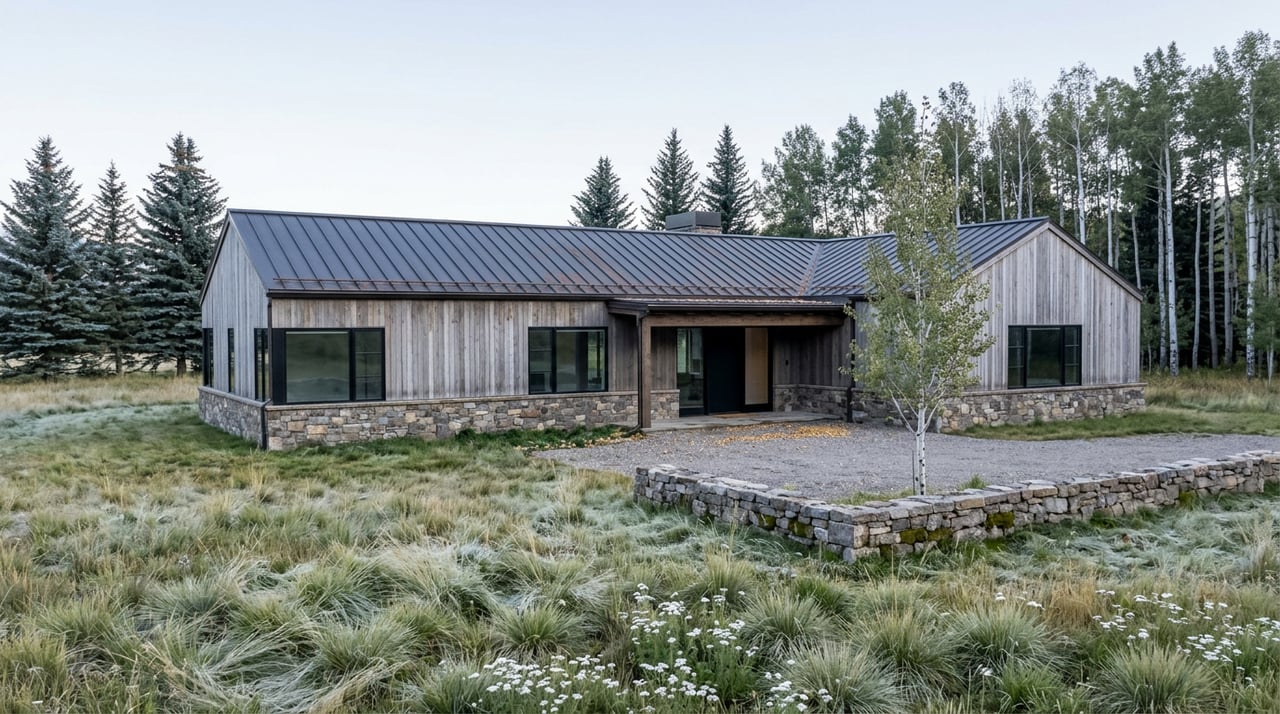
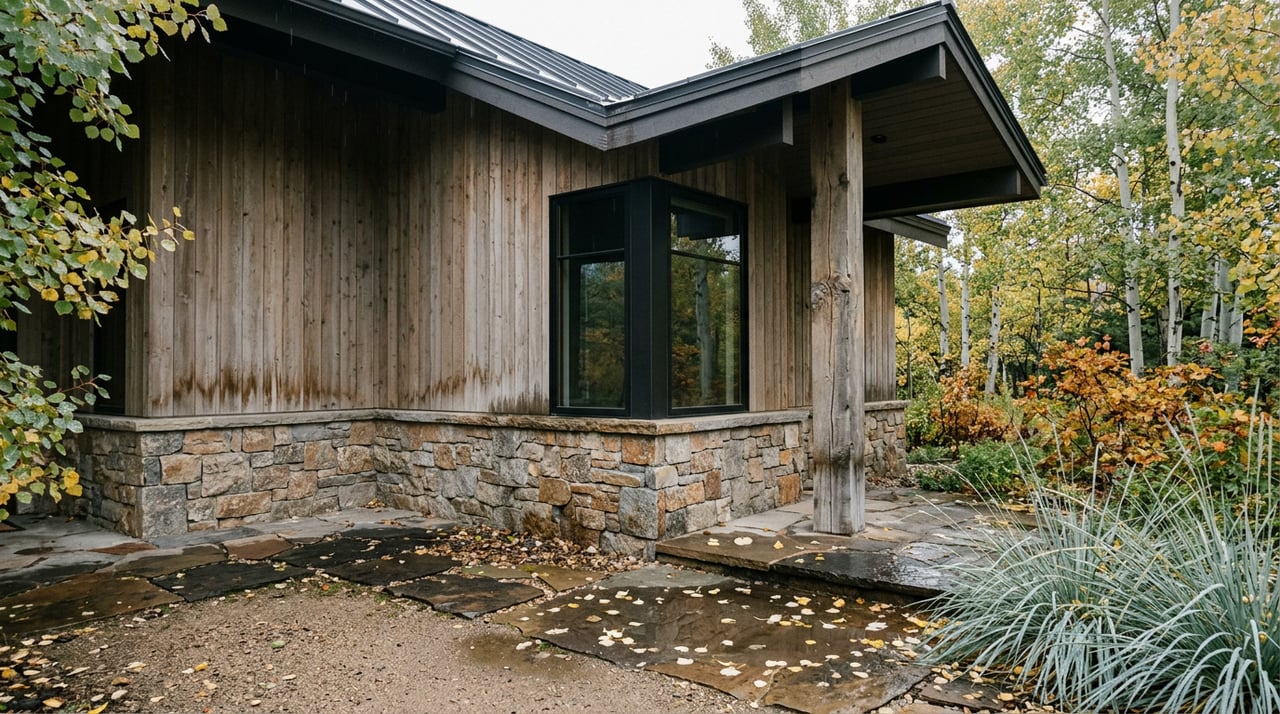
Picture two building lots in Midway, priced within a few hundred thousand dollars of each other, and both listing sheets carry the same three words: water right included. One lot sits on flat pasture on the west side of the valley. The other sits within walking distance of a hot pot field that has been steaming since before anyone in town owned a truck.
Same phrase, same asking price range, and yet the two lots are headed toward completely different permitting timelines, because in Midway the words "water right" do not always describe the same kind of water.
One phrase, two very different origins
Midway was not always Midway. When Swiss immigrant Simon Schneitter and other early settlers put down roots on the Heber Valley floor in the 1850s, the town went by Mound City, named for the limestone tufa domes that pushed up out of the pasture. Those mounds are geothermal hot pots, and the water inside them starts as ordinary rain and snowmelt off the Wasatch Range. It seeps into cracks and faults, descends at least 5,000 feet into the earth, picks up heat, then rises back to the surface through the same fractures, depositing calcium carbonate along the way and building the domes that gave the town its first name. The largest of these, now known as the Homestead Crater, sits inside a 55-foot limestone shell more than 200 feet across, with water 65 feet deep that holds a nearly constant 95 to 96 degrees year-round. Smaller pots nearby swing much more, anywhere from the mid-50s to over 100 degrees Fahrenheit, and two pots sitting a few yards apart can differ by as much as 30 degrees.
That geology is also a legal category. Utah's Division of Water Rights treats direct-use geothermal fluid as a distinct kind of water resource from ordinary groundwater. A domestic well anywhere in the Heber Valley still needs a standard water right and a Start Card before drilling, the same statewide process that applies to a well in Kamas or Woodland. But once the water you are pulling is legally geothermal, an extra requirement shows up that a plain domestic well never triggers: a fluid disposal plan. The state's own guidance is direct about this. Because the water comes out warm and mineral-laden, you cannot just let it soak back into the yard the way return flow from a household well normally does. The disposal has to run through an approved injection well or a permitted ground or surface discharge, overseen separately by the Utah Division of Water Quality, before the Division of Water Rights will sign off on the appropriation.
| Standard domestic well | Direct-use geothermal well | |
|---|---|---|
| Governing water right | Yes, Section 73 UCA | Yes, Section 73 UCA |
| Construction rules | Administrative Rules for Wells, R655-4 | Same, R655-4 |
| Extra step | None beyond standard septic or sewer | Fluid disposal plan required, reviewed by Utah DWQ |
| Typical trigger in Midway | Anywhere in town outside a documented thermal zone | Any well that draws water already warmed by the geothermal system |
Midway's springs top out around 115 degrees Fahrenheit, well short of the 248-degree threshold that would push a project into the state's heavier Geothermal Resource Conservation Act, the framework built for power plants and high-temperature production wells. So a Midway buyer is not walking into that level of permitting. But the disposal-plan requirement is real, and it is the kind of detail a listing sheet will never spell out. Two parcels can both say "water right included" while one requires a phone call to a well driller and the other requires a phone call to a well driller and a separate conversation with a water quality reviewer.
From two hundred hot pots to a few dozen
The tufa mounds that gave the town its original name once numbered in the hundreds across the valley. Today, the Utah Geological Survey counts several dozen still active near town. The gap between those two numbers is not mysterious. Falling into a 90-degree hole in a dark pasture is dangerous, and over the decades many smaller pots have been capped or fenced off for safety and liability rather than left open on private land.
That shrinkage matters for land economics in a way price per acre alone does not capture. As Midway has grown, geologists have raised a real concern that heavy drilling or large construction projects near the remaining hot pots could shift the underground aquifers that feed them. It is not a formal zoning restriction you will find written into city code, and it is not the kind of thing a title search will surface. It is a live tension between a town that markets its Swiss heritage and geothermal springs as identity, and a building boom that keeps pushing closer to the fields that made that identity possible. If a parcel you are considering sits inside or adjacent to a documented hot pot field, that context is worth raising directly with a geotechnical engineer before you finalize plans, not after excavation has started.
The heating math that changes the calculus
None of this is only a curiosity for scuba divers and geology buffs. It bears directly on one of the more expensive line items in owning a home in Midway: winter heat. Most homes in the Wasatch Back sit off the natural gas grid and heat with propane delivered by truck, and a 3,500-square-foot mountain home can burn through $6,000 to $10,000 in propane over a single winter at 2026 prices. That cost is exactly why geothermal heat pumps get discussed so often in this part of Utah, and it is exactly where the water-right distinction becomes practical rather than academic.
A closed-loop ground-source heat pump, the more common retrofit choice, circulates a sealed fluid through buried tubing and never removes actual groundwater from the aquifer. Because nothing is extracted, no water right is required at all. An open-loop system, by contrast, pulls real groundwater through the heat pump and returns it, which is a beneficial use under Utah law and does require a water right, plus the same disposal planning that applies to any direct-use geothermal draw. The payback math on a system like this currently runs closer to eight years at 2026 propane and installation costs, longer than the five to six years it ran while the federal residential energy credit was still available for systems placed in service through the end of 2025. That credit has expired. Homeowners closer to Salt Lake City are now leaning on utility rebates to fill the gap, but rural Wasatch Back properties like most of Midway may still qualify for the USDA's Rural Energy for America Program, which can cover as much as half the system cost through a grant or back up to three-quarters of it through a loan guarantee.
For a buyer choosing between a closed-loop retrofit and an open-loop system that taps genuinely warmer ground on a hot-pot-adjacent lot, the honest answer is that the open-loop option carries real appeal on paper and real paperwork in practice.
Four questions worth asking before you write an offer
- Is the water right on this parcel a standard groundwater appropriation, or does it draw from water already warmed by the geothermal system?
- If it is a direct-use geothermal draw, has a fluid disposal plan already been reviewed and approved, and by whom?
- Would a closed-loop heat pump meet your heating goals without touching the water-rights process at all?
- How close does the parcel sit to a documented or historic hot pot, and has anyone run a geotechnical assessment on that proximity?
None of these questions will show up on a comparative market analysis. They surface during due diligence, which is exactly when they are most expensive to discover for the first time.
FAQ
Do I need a special permit just for an ordinary domestic well in Midway? No. A standard domestic well anywhere in Midway follows the same statewide water-rights process as a well in Heber City or Kamas. The extra disposal-plan step only applies when the water being drawn is legally classified as direct-use geothermal fluid.
Does installing a geothermal heat pump automatically trigger this process? Only if it is an open-loop system that physically pulls groundwater through the heat pump. Closed-loop systems, the more common choice for space heating retrofits in this part of Utah, use sealed tubing and never extract water, so they fall outside the water-rights process entirely.
A water right on a Midway listing sheet is a starting point, not a finish line. Knowing which kind you are looking at, before you write an offer rather than after, is the difference between a straightforward build and a season lost to paperwork you did not know existed.
If you are comparing land in Midway against other Wasatch Back towns and want a straight read on what a specific parcel's water right actually entails, Jenica Lynne Parker and the team at Parker Properties can walk the file with you before you make it your problem. Start Effortless Ownership. Schedule a consultation.