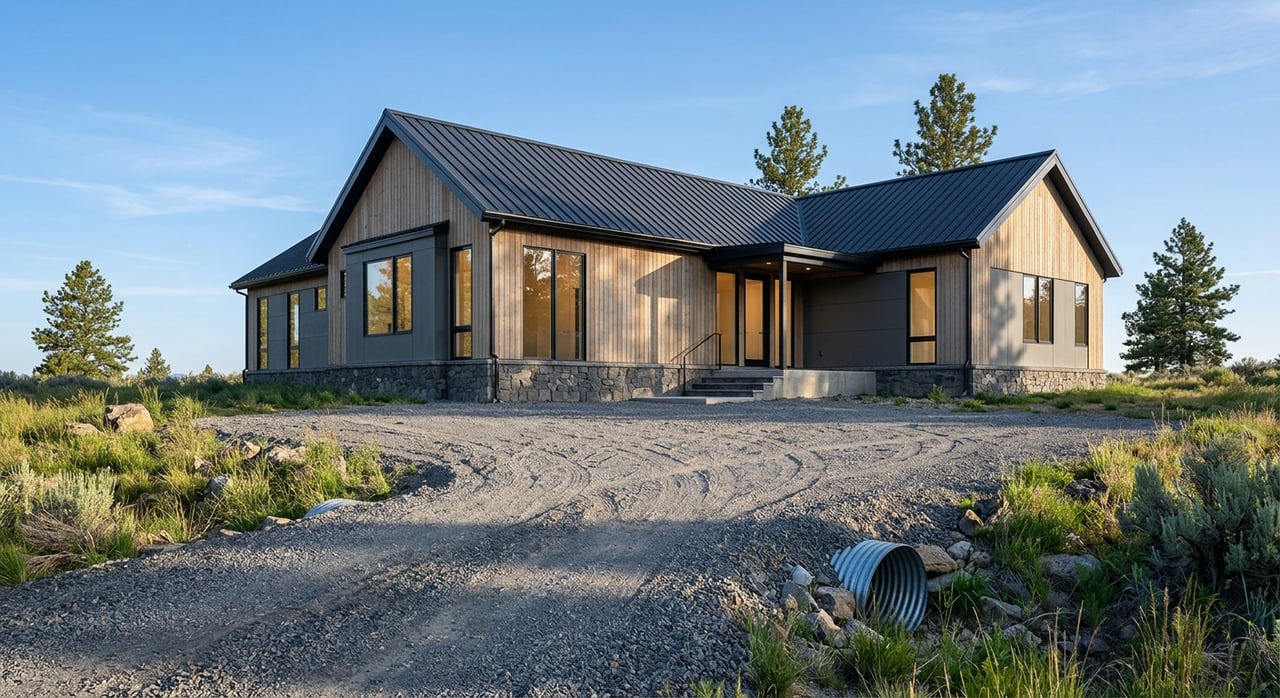
You want the space and freedom of a few acres near Francis without surprises derailing your build. The dream is clear, but the path can feel tangled with zoning rules, water rights, septic testing, and utility logistics. In this guide, you’ll learn the exact checks to run and the sequence to follow so you can move from offer to shovel-ready with confidence. Let’s dive in.
Start with zoning and use rights
Before you picture a driveway or pick floor plans, confirm the legal zoning on the parcel. Eastern Summit County relies on large-acreage agricultural districts that tightly control density. In many Agriculture and Agriculture‑Grazing zones, the default policy allows only one home per 40 to 160 acres. That means a two or three acre parcel could be limited or even not buildable unless it has specific recorded rights. You can verify the district and rules in the Eastern Summit County Development Code and by calling Community Development staff for parcel-level confirmation. Review the county code for density and setbacks in the Eastern Summit County Development Code.
If the lot sits inside a recorded subdivision near Francis or Kamas, plat-specific notes may set different setbacks or entitlements. It’s worth pulling the plat and checking the county’s zoning classification resources for any subdivision standards that apply to your lot. The county maintains a reference list for zoning classifications and plat-related setbacks, which helps when you’re evaluating named subdivisions. See the county zoning classifications and plat information for context.
When a plat does not specify setbacks, Summit County’s defaults often apply. As a rule of thumb, plan for a 30-foot front setback (or 55 feet from the road centerline in some cases), 12 feet on sides and rear, and a maximum building height near 32 feet in many residential districts. Always verify the actual numbers for your parcel and project type in the development code.
Confirm water early
Your build needs a potable water source, and the requirements vary by location. Inside Francis town limits and defined service areas, you may be able to connect to the municipal system. Start by checking with Francis Public Works and the utility listing for the Francis Town Water System to understand service boundaries and connection steps.
Outside town service boundaries, most owners rely on a private well or a community system. In Utah, you cannot drill a legal well without authorization from the State Engineer. You must hold a valid water right and obtain a Start Card or written approval from the Utah Division of Water Rights. State processing can take several weeks to months, though provisional letters are sometimes issued to allow drilling while a decision is pending. Review the Division’s process in the Utah Division of Water Rights FAQ.
Summit County will require proof of an approved potable supply before issuing a building permit or Certificate of Occupancy. Expect to submit bacteriological test results or similar water-quality documentation if you are using a private well. For county requirements, see the Health Department’s guidance on water and testing.
Practical next steps: ask the seller for any existing well permit number and water-test reports, confirm the groundwater basin status with the Division of Water Rights, and line up a licensed local driller’s availability around your likely approval window.
Plan for septic feasibility
If your parcel is outside municipal sewer service, Summit County requires a county-issued onsite wastewater (septic) permit. The process starts with a soil evaluation and a percolation test observed by a Health Department inspector. Timing matters. The county does not accept perc testing in late winter, roughly November 27 through March 1, due to snow and frozen ground. That seasonal window means spring and early summer are prime time for testing and design. Learn what to expect in the county’s guide to permitting a new septic system.
Your septic application will need a plot plan that shows the proposed home, the primary drain field, the required replacement area, and setbacks to wells, streams, ditches, and property lines. Where soils are marginal or groundwater is shallow, an alternative system or additional monitoring may be required. The Health Department will complete a final inspection before backfill.
Because of seasonality and design lead time, build your calendar around septic feasibility. Schedule perc testing early, budget time for design revisions, and leave room for permit issuance and inspections during the construction season.
Line up utilities
Utility availability can vary from one parcel to the next, even on the same road. Confirm service at the parcel level and request line-extension quotes before you finalize your build budget and timeline.
- Electricity: Rocky Mountain Power is the area’s electric provider. For vacant land, request a line-extension estimate so you understand the cost and lead time to place a meter and transformer. County utility coordination materials reference Rocky Mountain Power in their process. See the county’s utility coordination guidance for context.
- Natural gas: Dominion Energy provides regulated gas service in parts of Summit County, but many small-acreage lots do not have nearby gas mains. If gas is unavailable, plan for propane or electric heating. You can ask Dominion for main extension or tie-in estimates.
- Internet/phone: All West Communications serves much of the Francis and Kamas area with fiber and fixed wireless. Availability depends on your address and subdivision. Check All West’s service map and consider satellite as a backup in very rural spots. Explore All West’s Utah service area.
- Town utilities: Inside Francis, town water and sewer may be options within defined service corridors. Confirm service availability with Francis Public Works and the Francis Public Works contacts.
Quick utility checklist:
- Call Rocky Mountain Power and Dominion Energy with your parcel ID for service and line-extension estimates in writing.
- Run your address through All West and any other ISPs serving the valley.
- Confirm with Francis Public Works whether your lot is inside the town’s water or sewer service boundary.
Solve access and driveway details
Access rules depend on the road your driveway connects to. If your lot fronts a county road, county engineering standards and the development code apply. If you connect to a state highway like SR‑32 or SR‑35, you will need a Utah Department of Transportation conditional access or encroachment permit. UDOT’s access rule defines minimum and maximum driveway widths, turning radii, and coordination steps with regional permits staff. Review the state’s access rule in the UDOT access management bulletin.
Many rural drives also require culverts, drainage work, and grading. Summit County may require grading permits and stormwater controls as part of the building permit review. You can find access, road, and infrastructure expectations in the Eastern Summit County Development Code.
Local tip: evaluate seasonal conditions if you can. Snow storage, steep grades, and spring runoff can affect driveway design and long-term maintenance needs.
Map your permit timeline
A smooth custom build in the Francis area depends on sequencing. Use this order of operations and give yourself buffers between steps.
Confirm zoning and plat rights. Verify the parcel’s zone district and any recorded plat notes with Summit County Community Development. Start here to avoid density or setback surprises. Reference the Eastern Summit County Development Code.
Schedule perc testing and septic design. Contact Summit County Environmental Health, plan for testing in spring or early summer, and budget time for design iterations if soils are marginal. See the county’s septic process overview for permitting a new septic system.
Apply for well authorization if needed. If you will drill a private well, work with a licensed driller and apply to the Utah Division of Water Rights. Do not schedule drilling until you have a Start Card or written authorization. Processing often takes weeks to months. Review steps in the Water Rights FAQ.
Submit building plans. File your plan set with the Summit County Building Department and include your septic design and water documentation. Expect multiple review cycles depending on complexity. The county’s plan review often runs 4 to 8 weeks or more. Use the county’s Building Department resources to prepare your submittal.
Complete site work and inspections. Time major earthwork, utility extensions, and septic installation for warmer months. Final inspections and your Certificate of Occupancy follow successful completions and approvals.
In straightforward cases, allow 4 to 6 months from earnest money to break ground. Add time if you need a new well, if soils require an alternative septic, or if your access connects to a state highway and needs UDOT review.
Budget the right cost buckets
Costs vary by parcel and season, so get written quotes from local providers. Common items to price and plan:
- Perc testing, septic design, permit fees, and system installation. See requirements in the county’s septic permitting guide.
- Well permitting fees, drilling and pump installation, and water-quality testing. Understand the State Engineer’s process in the Water Rights FAQ.
- Electric line extension, meter, and transformer placement. The county’s utility materials reference Rocky Mountain Power; review the utility coordination guidance and then request a site-specific estimate.
- Driveway grading, culverts, and any required road upgrades, including county or HOA standards. Refer to the development code.
- Site excavation and foundation work. Factor local snow loads into structural design and consider wildfire considerations if applicable.
Ask two or three contractors in each trade for written estimates tied to your parcel’s conditions. It’s the only way to get reliable numbers in this terrain.
Check wildfire and WUI status
Utah’s HB 48 created a statewide High‑Risk Wildland Urban Interface map and requires participating counties to adopt and enforce WUI standards. If your parcel is within a High‑Risk area, expect defensible space and home-hardening measures during permitting, and note there may be a small per-structure fee in the future. Review your parcel’s status on the state WUI risk map, and watch Summit County notices for local implementation steps.
Use this due-diligence checklist
- Verify zoning and the recorded plat with Summit County Community Development. Use the Eastern Summit County Development Code as your reference.
- Request any existing well permits, septic records, utility bills, and CC&Rs from the seller. Your title company can help pull recorded easements and covenants.
- Contact Summit County Environmental Health to schedule perc testing, confirm fees, and review septic setbacks. Start with the septic permitting page.
- If you need a well, confirm basin status and approval timelines with the State Engineer. Read the Water Rights FAQ before you plan drilling.
- Confirm the building permit checklist and plan review timelines with the Summit County Building Department.
- Request electric, gas, and internet availability and line-extension quotes. The county’s utility coordination guidance provides a helpful framework.
- If the driveway connects to SR‑32 or SR‑35, contact UDOT Region Permits about access requirements. Review the UDOT access rule.
- Check the state WUI risk map and plan for defensible space if your lot is in a High‑Risk area.
Common surprises to avoid
- Zoning density limits that block a second dwelling or make a small unplatted parcel non-buildable.
- Shallow soils or high groundwater that require an alternative septic system.
- Longer-than-expected well authorization or electric line-extension timelines.
- UDOT access permitting for lots that front a state highway.
Address these early and you’ll save months of rework later.
Local help when you need it
Building on small acreage in the Francis area is very doable when you plan the sequence and get the right eyes on the site. A local team can help you confirm zoning, coordinate perc testing at the right time of year, line up utility quotes, and plan access constraints before you finalize designs. If you’re aiming for a homestead or a custom home east of Kamas, thoughtful due diligence now will make your build smoother, faster, and more predictable.
Ready to map your parcel’s path from offer to shovel-ready? Connect with Parker Properties, Inc. to align zoning, utilities, and timelines with your goals.
FAQs
What should I verify first when buying small acreage near Francis?
- Start by confirming the parcel’s zoning and any recorded plat rights with Summit County. Check density limits, setbacks, and whether the parcel has specific recorded exceptions in the development code.
How do water rights affect drilling a private well in Summit County?
- In Utah, you must hold or acquire a water right and obtain a Start Card or approval from the State Engineer before drilling. Processing often takes weeks to months. See the Water Rights FAQ.
When is septic perc testing allowed near Francis, and who must be present?
- Summit County only accepts perc tests conducted with a Health Department inspector present, and typically not from late November through early March. Learn more in the septic permitting guide.
Do I need a permit to connect a driveway to SR‑32 or SR‑35?
- Yes. New or modified driveways on state highways require a UDOT conditional access or encroachment permit, with design standards defined in the UDOT access rule.
Can I connect to town water or sewer if my parcel is near, but not inside, Francis?
- Town services apply only within defined service boundaries. Confirm whether your lot is inside those boundaries by contacting Francis Public Works and reviewing the Francis water system information.