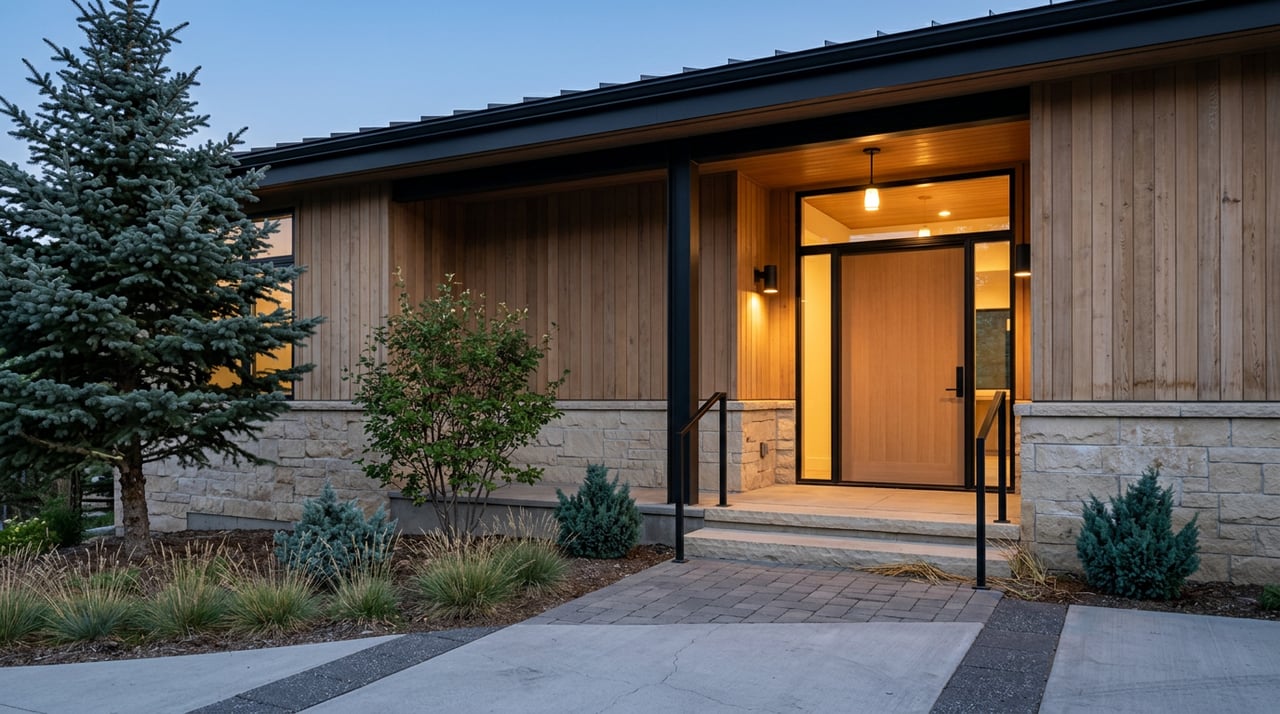
Thinking about buying in Heber City and trying to decide between a brand‑new build or a move‑in‑ready resale? You are not alone. With steady demand from resort spillover and second‑home buyers, Heber’s market offers both shiny, energy‑efficient new homes and character‑rich resales across a wide price range. In this guide, you will see how costs, timelines, financing, warranties, and neighborhood factors compare so you can choose the right fit for your goals. Let’s dive in.
Heber City market at a glance
Heber City sits above Utah’s statewide averages and shows strong buyer demand. A recent Redfin snapshot placed the median sale price near $830,000, with some neighborhoods running much higher based on resort proximity and views. Wasatch County’s population growth has been solid in recent years, which supports ongoing housing demand in and around Heber City. You should think in terms of micro‑markets rather than a single citywide trend line.
Resort and master‑planned communities shape pricing and options. Private communities such as Red Ledges help create distinct submarkets where finishes, amenities, and memberships influence value and carry costs. If you are aiming for ski access or amenity‑forward living, expect a different price and HOA profile than older, established streets. You can explore how luxury communities like Red Ledges create their own value anchors through community amenities and programming in resources such as the Red Ledges overview from golf community specialists.
- Population context: Review Wasatch County data for growth trends that influence housing demand at the county level. The U.S. Census provides a quick view of the pace and scale of local growth. (Wasatch County QuickFacts)
- Resort influence: Learn how luxury enclaves and amenity packages shape pricing and buyer profiles in the Heber Valley. (Red Ledges community overview)
New construction: what you get
New construction in Heber often lists at a premium, but that premium varies by community, lot, and view. Entry‑level production communities in the Wasatch Back have advertised starting prices in the mid‑to‑high $600k to $800k range, while amenity‑forward townhomes and custom homes can reach into seven figures and beyond. Luxury resort builds commonly post multi‑million‑dollar prices, especially on view lots.
Why the higher list prices? You are paying for modern layouts, new systems, and energy features, plus lot premiums for view corridors and proximity to recreation. Builders also package convenience: design center selections, community amenities, and a builder warranty. In periods when buyer traffic slows, many builders offer credits, closing‑cost help, or rate buydowns to reduce that upfront premium. Industry updates have highlighted broader use of incentives as builder sentiment softens. (Homebuilder sentiment and incentives context)
Energy and efficiency
If monthly utility costs matter to you, ask the builder for the projected HERS score or energy program details. Local builders often highlight efficiency measures that can lower operating costs compared with older resale stock. Reviewing a builder’s published energy standards is a smart comparison step. (Garbett Homes energy focus)
Warranties and peace of mind
Most builders follow a version of the 1‑2‑10 warranty model: one year for workmanship, two years for systems distribution, and ten years for major structural coverage. Always request the actual warranty booklet, confirm whether it is backed by a third‑party administrator, and ask if the coverage is transferable. A transferable warranty can be a selling point when you choose to move later. (What a 1‑2‑10 builder warranty covers)
Resale homes: strengths and tradeoffs
Resale homes offer immediate occupancy and often a lower price per square foot than new builds in the same area. You also benefit from mature landscaping, finished streets, and an established neighborhood feel. If you need to move quickly or want a central location with existing services, resale can be the simpler path.
The tradeoff is maintenance. Older systems and finishes may need attention sooner. National research that analyzed homeowner projects and carrying costs estimates that owners should plan on roughly $11,000 per year for maintenance and related “hidden” expenses on average. Your actual number will vary by property, but building a reserve of 1–2% of the home’s value per year is a practical rule of thumb.
Timelines and process
New construction comes in three basic flavors with different move‑in windows:
- Spec or quick‑move‑in homes: weeks to a few months, since the home is already underway or finished.
- Production homes: when you select a plan and lot with limited custom changes, plan on roughly 6 to 12 months from contract to move‑in. Weather, permitting, and supply chains affect timing.
- Custom builds: 9 to 18 months or more, depending on design complexity, site work, and approvals.
Regardless of build type, plan for contingencies and set expectations early with your builder. If you are on a fixed timeline because of a lease or sale of your current home, discuss backup plans in case of a delay.
Inspections and punch lists
Even with city inspections, you should hire a third‑party inspector for key milestones: pre‑drywall, pre‑closing, and final walkthrough. Most builders run a blue‑tape punch‑list process to document cosmetic and mechanical items before closing. Get completion items in writing with clear timelines. For resale homes, inspections may be more exhaustive and can include add‑ons like sewer scopes or specialized roofing and HVAC evaluations.
Financing, appraisals, and taxes
Financing a new build can differ from a resale mortgage. Many buyers use a construction‑to‑permanent loan, which combines the construction phase and long‑term mortgage into a single closing. Others use a two‑step approach with separate construction financing and a later refinance into a permanent loan. Ask lenders about rate locks, requalification risk, and how draws and inspections work during the build. (Fannie Mae construction‑to‑permanent overview)
Appraisals can get tricky if you pick a premium lot or heavy upgrades. Appraisers rely on comparable sales. If there are few comps for your exact spec, the appraised value may trail your contract price, which can create a cash gap. Talk with your lender early about appraisal strategy and be thoughtful about upgrades that overshoot neighborhood norms.
Expect tax assessments to adjust after completion. New builds often see a higher assessed value in the first full tax cycle after construction when the county updates improvement values. Plan your year‑two budget accordingly.
Neighborhood maturity, HOAs, and long‑term feel
Master‑planned communities can take years to fully deliver amenities and feel “complete.” Streetscapes, landscaping, clubhouses, pools, and trail systems are often built in phases that roll out over time. Large master plans may take 5 to 20 years to reach full buildout depending on market absorption and approvals. That timeline affects day‑to‑day living and resale timing. (How master‑planned phasing works)
With many new communities come HOAs and special assessments to finance shared amenities. Compare monthly dues, review reserve studies, and ask about planned capital projects. Established neighborhoods may have no HOA or lower fees, but fewer centralized amenities. In Heber specifically, city planning around US‑40, annexations, stormwater, and workforce housing can also shape traffic, utility fees, and the timing of new services. You can track these discussions through local meeting coverage. (Heber City growth and infrastructure coverage)
If you are watching the evolving Deer Valley East Village area and connected master plans near Jordanelle, keep in mind that future amenities, new road links, and club programming can influence values and absorption. Stay in close contact with on‑the‑ground updates if that region is part of your search. (Deer Valley East Village context)
Local snapshots to illustrate the spread
Here are three simplified examples that reflect common scenarios we see in Heber. These are snapshots for illustration only. Always verify live MLS prices, incentives, and taxes before you write an offer.
- Entry‑level new build: A production‑style community with advertised starting prices in the mid‑to‑high $600k to $800k range. Expect a base price plus design center upgrades, potential lot premiums for views, and HOA dues for shared amenities. Incentives like closing‑cost credits or rate buydowns may be available depending on builder activity.
- Move‑in‑ready resale: A three to four bedroom home near the city core may price around the broader market median, with variation based on age, updates, and lot size. You gain immediate occupancy and a mature setting but should budget for routine maintenance and any near‑term replacements.
- Resort‑oriented new luxury: A custom or spec home in a private, amenity‑forward community often lists well into the multi‑million‑dollar range. Per‑square‑foot pricing can run far above mainstream neighborhoods, reflecting design, finishes, club access, and view premiums.
A practical decision checklist
Use this checklist to compare specific homes side by side.
- Buyer profile and use:
- Full‑time, commute, and local services needs.
- Second‑home or rental strategy with amenity access and maintenance support.
- Track local efforts to keep workers near employment if you need proximity to services. (Heber workforce housing focus)
- Timing and certainty:
- If you need to move within weeks, focus on resale or true quick‑move‑in options.
- If you can wait 6 to 12 months or more, production or custom builds open more choices.
- Money math:
- Offer price plus builder credits, upgrade budget, and HOA dues.
- Estimate first‑ and second‑year property taxes, especially for new builds.
- Consider maintenance savings on new builds versus near‑term repairs on resales.
- Ask about current builder incentives that can reduce your cash at close. (Builder incentives context)
- Financing and appraisal plan:
- Compare one‑time close construction‑to‑permanent options to two‑close structures. (C‑to‑P overview)
- Align upgrades with neighborhood comps to limit appraisal risk.
- Quality and warranty:
- Request the builder’s exact 1‑2‑10 warranty booklet and claim process. (What builder warranties cover)
- Hire independent inspections at key stages for both new and resale.
- Neighborhood plan and infrastructure:
- Get the community phasing plan, HOA budget, and any special assessment timelines. (Master‑planned community phasing)
- Review city meeting notes for planned roads, stormwater, and commercial nodes that affect daily life. (Heber City planning coverage)
Bottom line
If you value a modern floor plan, lower near‑term maintenance, and the protection of a builder warranty, new construction can be worth the premium in Heber City, especially if you secure incentives and choose upgrades wisely. If you want speed, a finished neighborhood setting, and potentially lower upfront cost per square foot, a resale home may be the better match. Your best outcome comes from comparing real homes, real HOA budgets, and real timelines against your goals.
When you are ready to weigh specific properties, pricing, and HOA documents, our local team can help you run the numbers and line up inspections, financing, and post‑close maintenance. Start Effortless Ownership with Parker Properties, Inc. and schedule a consultation today.
FAQs
Is new construction more expensive in Heber City?
- New builds often list at a premium for modern systems, energy features, and lot or amenity packages, though incentives can narrow the gap in softer markets.
How long does it take to build a home in Heber?
- Production homes commonly take about 6 to 12 months, spec homes can be ready in weeks to a few months, and custom builds often run 9 to 18 months or more.
Can I lock my mortgage rate during construction?
- Many lenders offer construction‑to‑permanent loans with rate‑lock options, while two‑close structures may require requalification later, so compare both paths with a lender.
What warranty do Utah builders typically provide?
- Many use a 1‑2‑10 structure covering workmanship, systems, and major structural items, often through a third‑party administrator, so ask for the exact booklet.
Will my property taxes rise after I finish a new build?
- New construction often sees a higher assessed value in the first full tax cycle after completion, so budget for a potential year‑two jump.
What should I review in an HOA before buying?
- Check monthly dues, reserves, planned special assessments, and amenity phasing to understand your true carrying costs and the community’s long‑term plan.